BULLYING
What feelings come to mind when you think of that word?
Anger? Sadness? Helplessness?
Do you flash back to your own childhood?
Over the past decade, families have been feeling the pressure more than ever. From social media and constant screen time to the shared stress of the global pandemic and rising expectations for both parents and kids — it’s easy to feel disconnected and overwhelmed. In this episode, we explore how families can navigate these challenges, reduce stress, and build stronger, more connected relationships at home.
In this episode Janine and Sonali speak about:
Over the past decade, families have been feeling the pressure more than ever. From social media and constant screen time to the shared stress of the global pandemic and rising expectations for both parents and kids — it’s easy to feel disconnected and overwhelmed. In this episode, we explore how families can navigate these challenges, reduce stress, and build stronger, more connected relationships at home.
In this episode Ronnie and Janine discuss:
Food is magic! Cooking together as a family has lots of benefits. As well as being a time to learn and teach such a key life skill, it presents an opportunity to share family recipes, whether they are cultural recipes or family recipes passed down through the generations.
In this episode they discuss:
We all know the 5 senses and learned them from the time we started school. But did you know there are actually 8? Unpacking and understanding these can help us to understand yours and your child's needs and how you move around your space well. Joining Janine is Occupational Therapist, Sarah Collins who unpacks the senses and encourages you to find the words and strategies that work for your child's sensory needs.
Today Sarah and Janine discuss:
My guest Dr. Crystal Collier and I discuss some tough topics during this episode. Please be aware, especially if younger ears are listening, and please click play with care.
As parents, we are concerned that our kids and teens may engage in high risk behaviors as they grow up. How can we, as parents, encourage our children away from engaging in these high risk behaviors? Or, if they are already doing any of these behaviors, how can we encourage them to stop them?
In today’s episode:
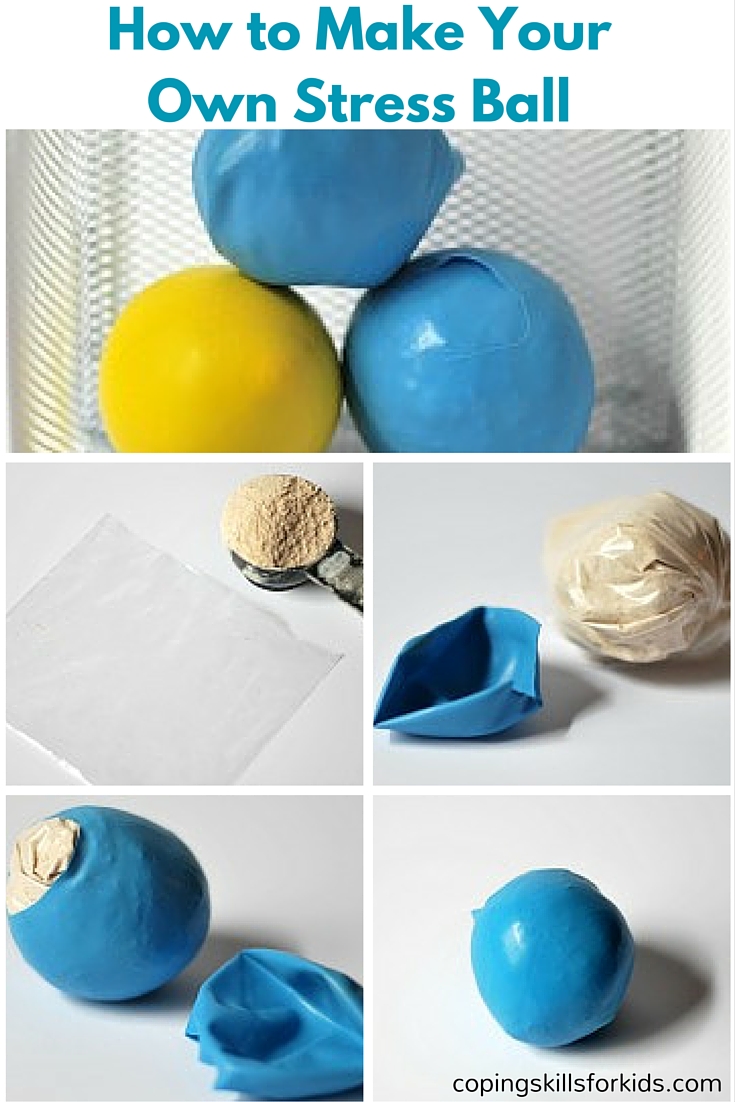
Did you know that you can make your own stress balls? There are 3 different ways I’ve made stress balls. All of them use balloons, but I used 3 different materials to see how each one would feel: flour, rice and play dough. Each of them feels different and you can have your children try them all to see which one they like the most.
As a school counselor, I often had kids come into my office in a heightened state, and it was my job to be able to help them calm down and get back to work in class. I had lots of items in my room to help achieve that. It’s always easier for kids to talk about what’s bothering them when they’re doing another activity or playing a game. As a mom, I know that there are lots of things that can help my kids reset when they are having a hard time, or getting into arguments or just have on their cranky pants. Here are some of my favorite items to help kids calm down.
Have you ever been at a busy playground surrounded by children moving in all sorts of different directions? As a mom of two, I often find myself there. And every time, it always strikes me as beautiful chaos. The cacophony of voices and the constant movement. All you see is children running, almost in a blur.
Mindfulness can be a helpful tool if you have a hard time managing your thoughts and emotions or if you want to improve your concentration. Mindfulness is being aware of what’s happening in the present moment. It’s not about trying to clear your mind, but allowing thoughts and emotions to come and go without judgment and familiarizing ourselves with the present moment. It takes practice to be able to do this.
I’m Janine Halloran, a Licensed Mental Health Counselor, an Elementary School Counselor and a mom of two elementary school aged children. Over the last 15 years, I’ve worked with children around managing big feelings and emotions. Early in my career, I realized the importance of making sure my clients have healthy coping skills. Whenever I work with someone, my goal is to make sure they end up with a variety of healthy coping skills they can use every day.